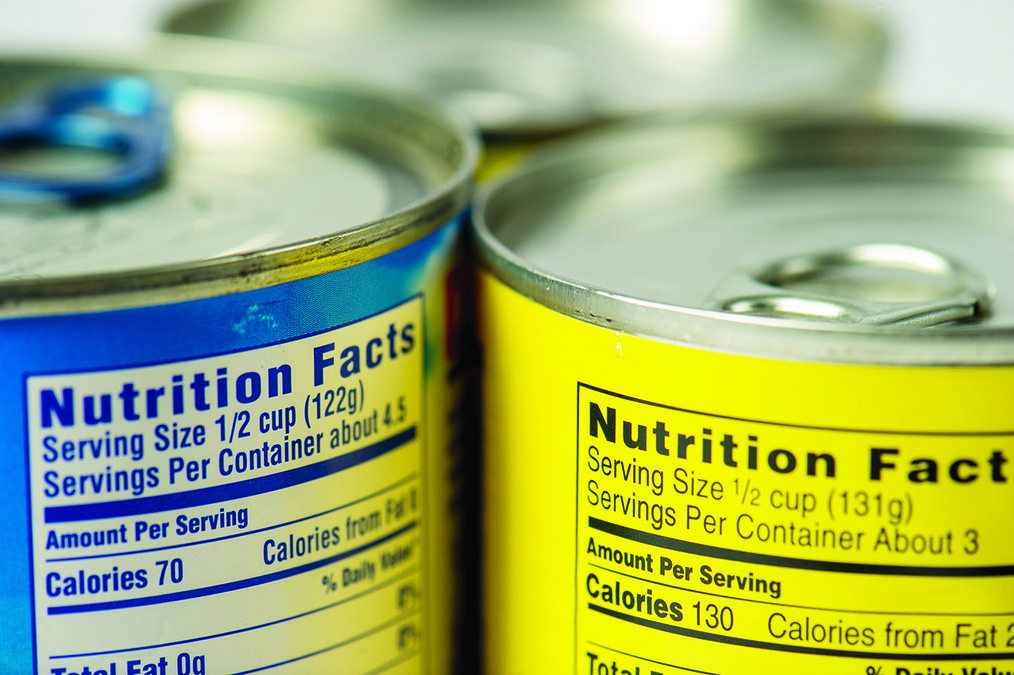
Nutritious food is necessary to sustain life, and that’s one reason why food packages contain lists of ingredients. But all ingredients are not created equal. A growing number of consumers desire greater transparency about the foods they are eating, including sourcing, production, preparation details, and nutritional content. While that can be challenging to ascertain when dining out, people have more control over what they eat at home.
According to the plant-based food advocacy company ProVeg International, 62 percent of people are paying more attention to ingredient lists now than they did five years ago. In addition, nearly two-thirds of adults say the ingredients in a food or beverage have at least a moderate influence on whether they buy it.
One of the ways to be mindful of food ingredients is to understand food labeling. Pertinent information is included on the label, and it pays to study these labels when choosing foods. Here’s how to navigate the Nutrition Facts Label, according to the U.S. Food & Drug Administration.
Servings per container: The first thing people will come across is the servings per container. This tells a person how many servings are in the package.
Serving size: The serving size indicates how much of the food equates to one serving. It may be measured in cups, grams, ounces, or even pieces.
Calories: The calories pertain to the number of calories in one serving. As a general guide for nutrition advice, 2,000 calories a day is used. A person’s calorie needs may be higher or lower depending on variables like age, sex, height, weight, and physical activity level.
Percentage of daily value: These numbers will appear next to the various nutrients in the product and show the percentage of each nutrient’s recommended daily value in the food. Daily values are listed in grams, milligrams or micrograms. By understanding daily values, one knows how many nutrients to consume each day. As a general rule, 5% DV or less of a nutrient per serving is considered low, while 20% DV or more of a nutrient per serving is considered high.
Many older adults do not get the recommended amount of nutrients each day and can use food labels to create a more nutrient-rich diet. It’s essential for seniors to look for foods that contain adequate dietary fiber, calcium, vitamin D, and potassium. Individuals also should consume less saturated fat, sodium and added sugars.