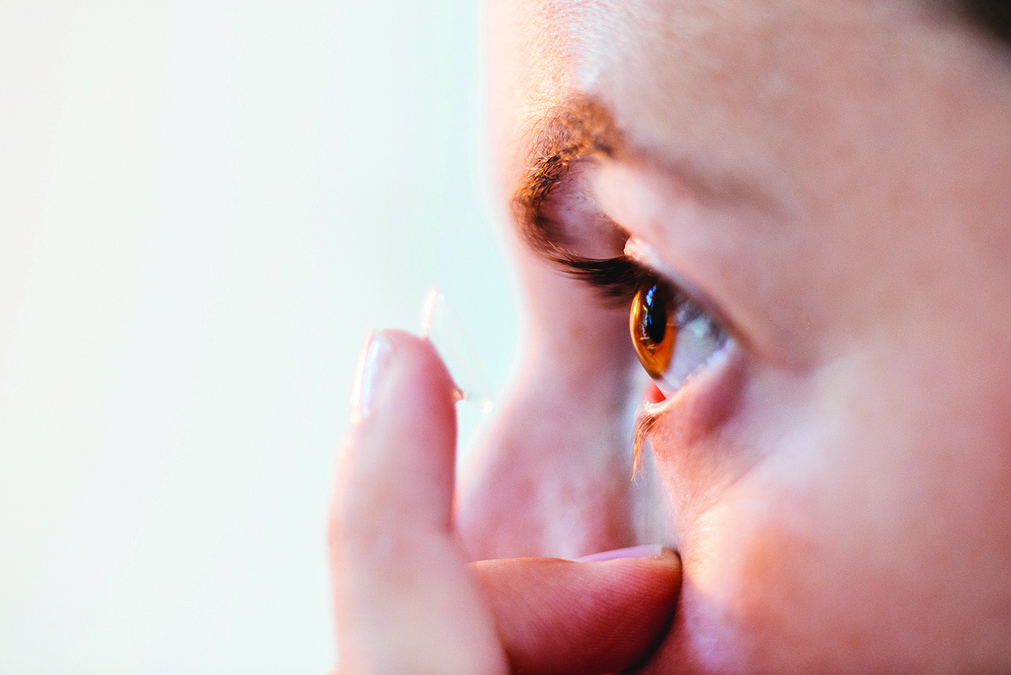
Upon visiting the eye doctor, many youngsters learn that their vision is not quite as perfect as they would have hoped. In the not-so-distant past, eyeglasses were the standard for children experiencing diminished vision. However, as pediatric eye care has evolved, contact lenses have become an increasingly popular and safe option for children and teenagers.
According to the American Optometric Association, approximately 15 percent of children under the age of 17 in the United States currently wear contact lenses. Beyond simple vision correction, contacts can help young athletes concerned about wearing glasses during competition. Contacts also offer relief from potentially heavy eyeglass frames, as well as a boost in self-confidence. Kids can benefit from wearing contacts, and most can manage these medical devices safely with some instruction.
Clearer vision and more
For active children, switching from traditional glasses to contacts eliminates the risk of lost or broken frames during sports or recess. There’s also a significant psychological impact to wearing contacts over glasses. According to research published in Optometry and Vision Science, children and teens who switch from glasses to soft contact lenses report a marked improvement in their self-perception, social acceptance, and comfort during activities.
Beyond vision correction and a confidence boost, contact lenses now serve as a preventive health tool. The U.S. Food and Drug Administration-approved daily disposable lenses like MiSight are specifically designed for children ages 8 to 12 to slow the progression of myopia. This helps to safeguard their long-term eye health.
Safe care and health
Contacts are medical devices that require proper care. The FDA emphasizes that the safe use of contacts requires wearers to emphasize lens hygiene. If parents feel kids can manage lens hygiene, then they are old enough to wear lenses. Indeed, the Centers for Disease Control and Prevention advise that children can successfully wear contacts as long as the lenses are properly maintained.
A study published in Pediatrics highlighted that proper usage of contacts is essential, revealing that around 13,500 children visit emergency rooms each year due to complications related to contact lenses. These often stem from improper cleaning, wearing lenses while sleeping, or using tap water instead of a sterile solution for storage and cleaning.
When applicable, daily lenses may be safest and most convenient for younger wearers, as they are single-use. That means putting in fresh contacts each day and not having to worry about storing and cleaning them.
Determining if a child is ready
To evaluate if a child is mature enough for contact lenses, parents and eye-care professionals should consider these patterns.
Do they complete daily chores and maintain hygiene without needing constant reminders?
Do they wash their hands with soap and water before touching their face or eating?
Do they keep track of eyeglasses or other important items?
Do they feel comfortable inserting and removing the contact lenses on their own?