Making an effort to maintain and safeguard mental health is a key component of a healthy lifestyle, and that’s as true for seniors as it is for children, young adults and men and women in middle age. Seniors can embrace a number of practices and habits to safeguard their mental health well into their golden years.
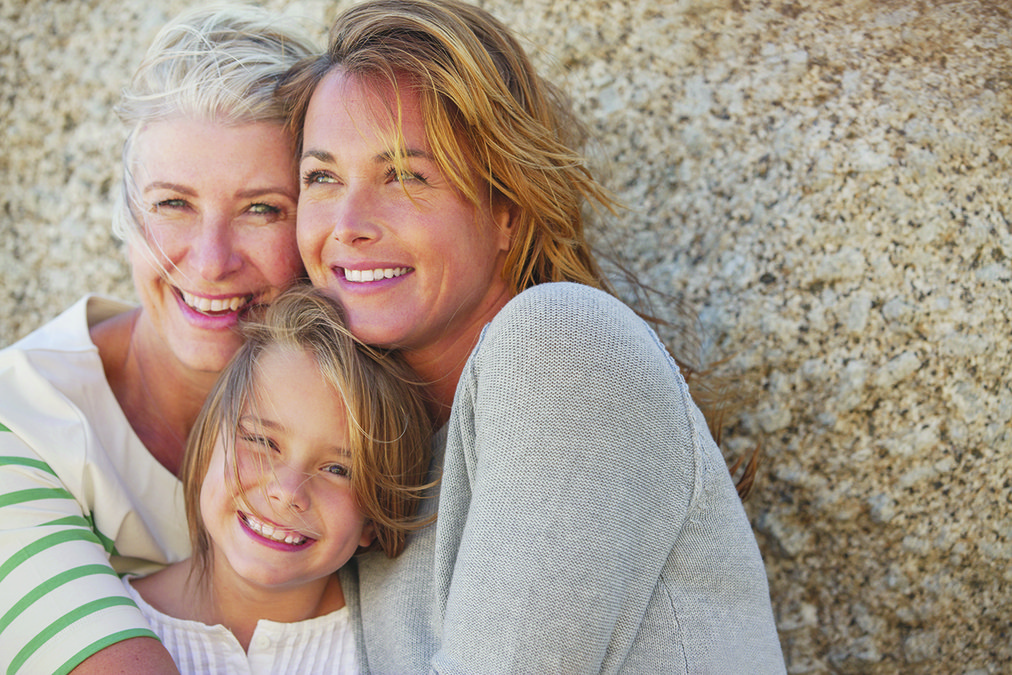
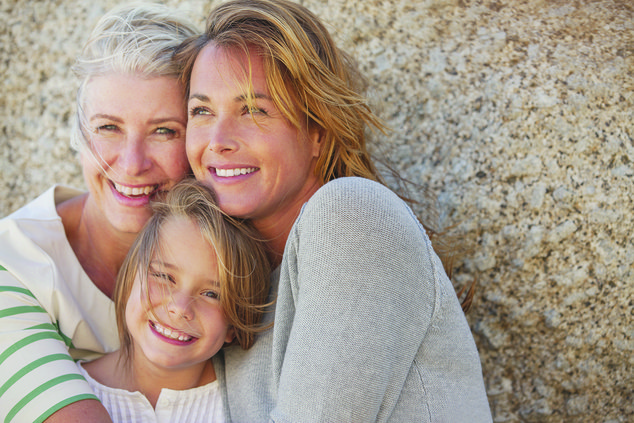
Spend more time with family. Spending time with family members can be especially beneficial for adults 70 and older. According to a 2023 study published in the Journals of Gerontology: Series B, adults without family ties had worse mental health and were less likely to engage socially than older adults who were close to their family. The researchers behind the study noted those benefits are not affected by distance, as even the older adults who lived far away from their family members but maintained strong social ties to their families enjoyed higher levels of mental health and social participation than seniors with no such connections.
Exercise regularly. Routine exercise also can have a profound impact on seniors’ mental health. The Anxiety & Depression Association of America reports that evidence supports the notion that exercise can shift attitude, mindset and mood in a positive way. Another study found that adults who participated in a regular physical activity program experienced reduced rates of long-term and acute depression.
Incorporate travel into your golden years. Working professionals have long expressed an intention to travel more during retirement, and doing so may have an even bigger impact than seniors realize. According to a joint report from the Global Coalition on Aging and the Transamerica Institute released in 2025, regular travel has been shown to lower Alzheimer’s risk by up to 47 percent, a benefit researchers link to culturally enriching activities like visiting museums and exploring historical landmarks. The same report also notes that travel helps to address loneliness and social isolation, which are mental health issues that the senior population is especially vulnerable to, particularly during retirement.
Volunteer. The Mayo Clinic Health System notes that volunteering can boost mental health in a number of ways. Volunteering has been found to reduce stress and increase positive, relaxed feelings. The Mayo Clinic also notes that volunteering leads to lower rates of anxiety and depression, particularly among adults 65 and older.