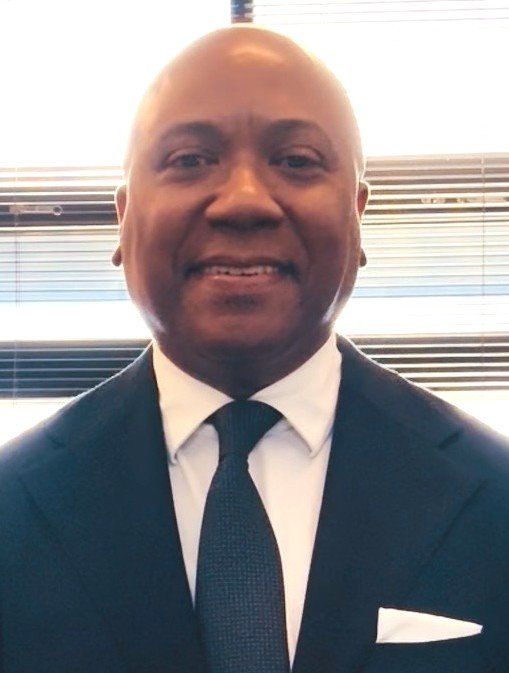
The San Joaquin Regional Transit District (RTD) Board of Directors has appointed Eric Williams as Chief Executive Officer, entrusting him with leading the District into its next chapter of organizational stability, regional collaboration, and transportation innovation. Williams had been serving as RTD’s Acting Chief Executive Officer after previously being appointed Chief Operating Officer and was officially appointed to the position in mid-September. During his time in executive leadership, he has focused on strengthening internal operations, rebuilding relationships with regional partners, addressing organizational and financial challenges, enhancing public safety and security, and creating a culture of greater accountability and collaboration throughout the District.
As CEO, Williams will lead RTD with a long-term vision focused not simply on where public transportation is today, but on what mobility must become over the next 30 to 40 years as communities throughout San Joaquin County continue to grow and change.
“I’m deeply grateful to the Board of Directors for placing its confidence in me to lead RTD,” Williams said. “I accept this responsibility with humility and with a clear understanding that this position is ultimately about service to our employees, our riders, our communities, and the people of San Joaquin County.”
Williams said the future of public transportation will require transit agencies to think beyond traditional fixed-route service.
“Transportation is changing, and RTD must be willing to evolve with the communities we serve,” Williams said. “The transportation needs of Stockton may be different from those of Mountain House, Lathrop, Ripon, Escalon, Lodi, Manteca, Tracy, and other communities throughout our region. Our responsibility is to listen and develop mobility solutions that meet those communities where they are.”
That future could include traditional fixed-route service alongside commuter transportation, microtransit and on-demand mobility, stronger regional connections, employer partnerships, transit-oriented development, and other innovative approaches connecting people with employment, education, housing, health care, and economic opportunities.
One of Williams’ early priorities has been rebuilding relationships between RTD and cities, transit providers, regional agencies, and community partners throughout San Joaquin County. Williams has personally met with local leaders to listen to concerns, address relationships that had become strained, and recommit RTD to collaboration, communication, fairness, and mutual respect. Those discussions are already creating opportunities for expanded cooperation, including conversations regarding mobility services, maintenance partnerships, regional funding, service coordination, and emerging transportation needs associated with economic and population growth.
“We cannot serve this region effectively by operating in isolation,” Williams said. “RTD must be a trusted regional partner. That means showing up, listening, communicating openly, following through on our commitments, and working collaboratively to find transportation solutions that benefit the entire region.”
Williams’ leadership priorities also include strengthening RTD’s financial position and internal operations, completing outstanding audits and corrective actions, improving organizational accountability, recruiting and retaining talented employees, strengthening safety and security, and ensuring the District provides reliable and efficient service. He has emphasized a culture in which employees and leaders work across departments rather than in silos and where accuracy, professionalism, responsiveness, accountability, and quality are expected throughout the organization.