When it comes to babies, safety hazards can hide in the most unexpected places, according to officials with the California Poison Control System (CPCS). Even if you’re an already ‘been there and done that’ parent or are a first-time one, there is always something new to discover about keeping your infant safe.
“To spot potential dangers in your home, try getting down on your hands and knees to see things from your baby’s perspective,” said Dr. Rais Vohra, Medical Director for the Fresno/Madera Division of CPCS. “You'll be amazed at how many hazards become visible when you’re viewing the world at their eye level.”
Many people focus on household items in bathroom cabinets and under the kitchen sink, securing them with baby locks, but there are other places and things they may not think about.
Here are some tips to baby-proof your home and keep your baby safe.
Little fingers can poke into electrical outlets – make sure to cover them.
Many small objects can create a choking hazard, so keep items such as coins, marbles, keys, jewelry, paper clips, and safety pins out of reach.
Bathroom trash cans may hold a treasure trove of baby dangers, so think about what you’re tossing in there.
Child resistant caps don’t always prevent accidents; so lock medications up.
Furniture can tip over and seriously injure your little one, so make sure it’s anchored.
Crib mobiles are a valuable addition to your baby’s environment, but make sure they are securely fastened because they can pose a strangulation hazard.
Make sure to keep washer, dryer, and other appliance doors closed at all times.
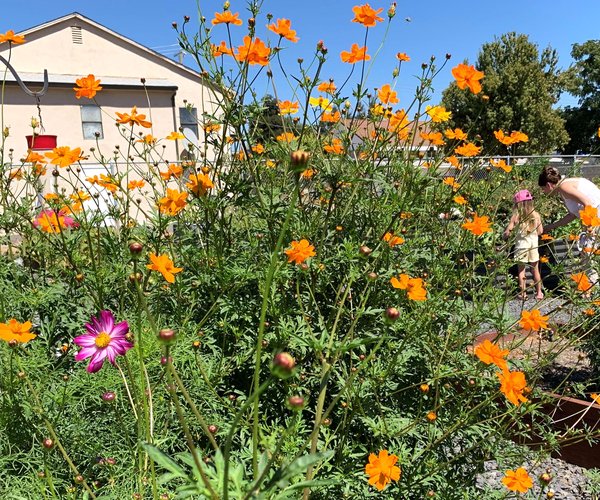
Babies love putting things in their mouth; make sure plants are nontoxic.
If you have stairs, use a safety gate to keep infants from falling down them.
You can always call Poison Control at 1-800-222-1222 for questions about poison encounters. Trained pharmacists, nurses and other providers are available to help 24 hours a day, seven days a week. The service is free, confidential and interpreters are available. Follow CPCS on Facebook, on YouTube @californiapoisoncontrol, and on X @poisoninfo. Sign up for The California Poison Safety Post, California Poison Control System’s quarterly electronic newsletter, by visiting calpoison.org/newsletters. CPCS is part of the University of California San Francisco School of Pharmacy and is responsible to the California Emergency Medical Services Authority.