There is no denying that technology has transformed life in many ways, providing ever-accessible sources of information and entertainment. That entertainment also extends to time away from home, even when people are on the road.
High-end and flashy infotainment systems on new vehicles are a big draw for modern drivers. As technology evolves, infotainment screens and offerings are getting more capable and a lot bigger. An Oliver Wyman Infotainment Survey 2025 predicts the infotainment-enabled digital aftersales market in the automotive industry will reach $14 billion by 2030.
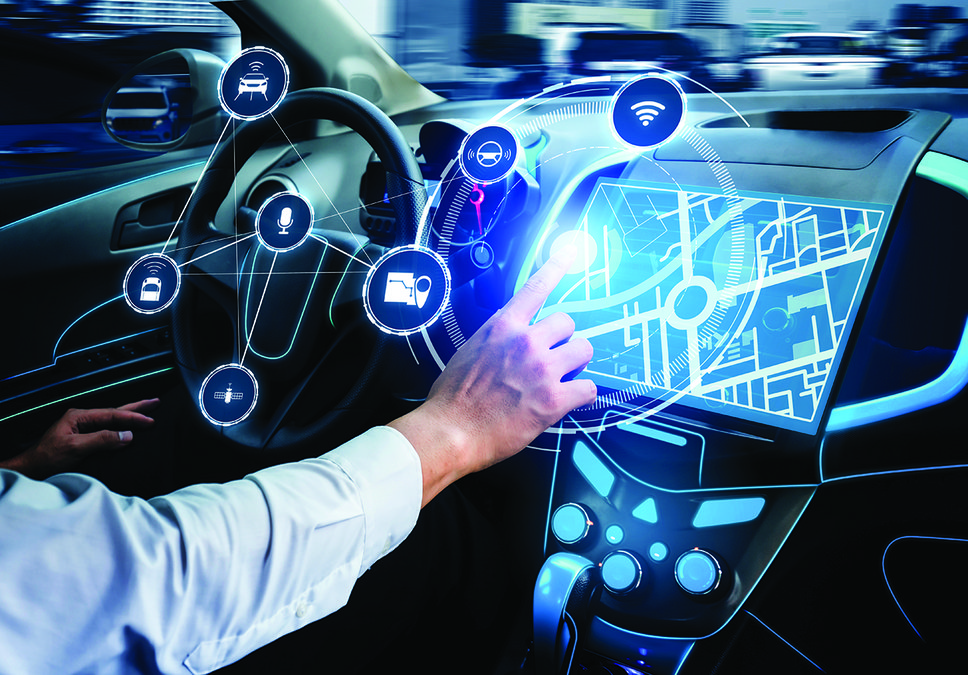
According to Kelley Blue Book, an infotainment system is an integrated media system that delivers information and entertainment to drivers and passengers. It tends to feature a high-resolution touch screen that can cycle through various menu options. Infotainment also will have multimedia support. Most feature things like GPS navigation, hands-free calling, call log visibility, Bluetooth, HDMI and USB capabilities, and integration with various smartphones.
Advanced vehicular functions also will be contained within infotainment systems, which will affect parking assistance, daytime running lights, climate control, and voice assistants to control the different automotive systems.
Depending on the trim level, a vehicle infotainment system may not be restricted to the dashboard; some cars or trucks have rear screens as well. This enables kids to tap into favorite shows and movies, or to play games during long road trips.
Adults may find that vehicle-based entertainment enables them to catch up on audiobooks or podcasts while commuting or traveling to vacation destinations.