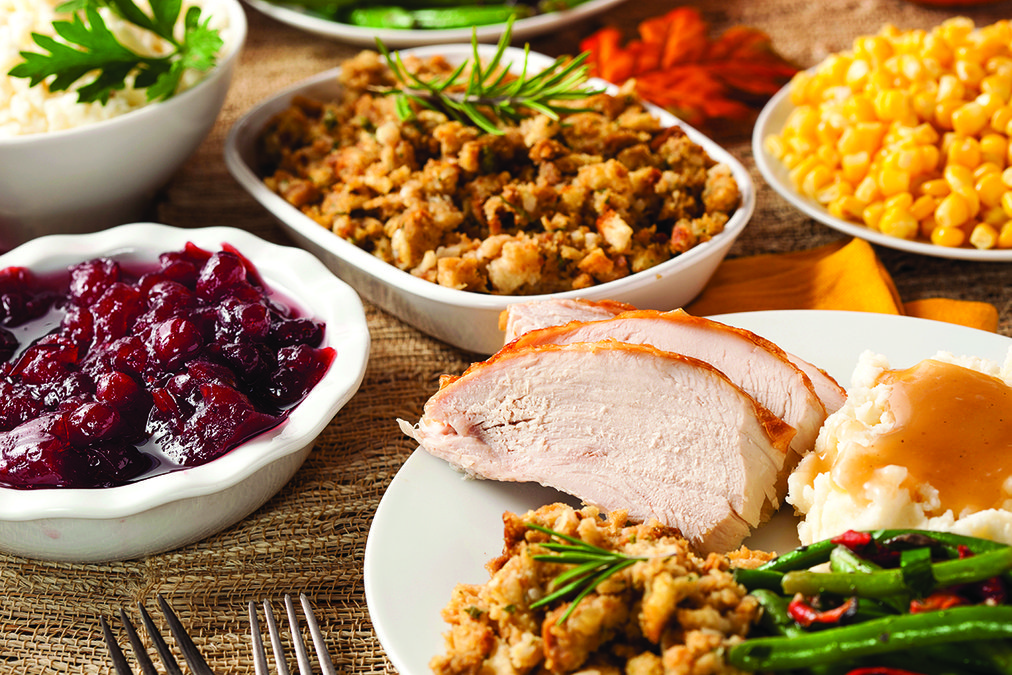
The holiday season transforms ordinary homes into bustling abodes, with kitchens typically serving as command centers. From Thanksgiving roast turkeys to appetizer spreads for New Year’s Eve celebrations, holiday entertaining involves lots of shared meals. Seasoned cooks as well as novice hosts may be testing their skills with larger headcounts and complex recipes. However, these factors, plus refrigerators crowded with food, can heighten the risk of foodborne illnesses.
Food safety experts at the U.S. Department of Agriculture advise that a few essential habits during the prep phase can mean the difference between an entertaining holiday experience and an unintended trip to urgent care.
Plan ahead. Food safety starts well before the first pot or pan is set to cook. The most common holiday mistake is improper thawing of frozen food, particularly when serving large cuts of meat like roast beef or turkey. People mistakenly think leaving frozen meat on the counter to defrost is a smart idea. But the USDA Food Safety and Inspection Service says counter thawing puts the food in the “danger zone” (when temperatures fall between 40 F and 140 F), where bacteria can multiply rapidly. Meat always should be thawed in the refrigerator, allowing around 24 hours per every five pounds. Cooks also can use a cold water bath, changing the water every half hour.
Prevent cross-contamination. Multiple courses means preparing various foods. It’s essential to keep foods that will be served uncooked separate from raw meats and seafood. Produce, bread and fruit should be prepared on separate cutting boards from other items. People should wash their hands thoroughly with warm water and soap for at least 20 seconds before and after handling raw ingredients, advises the Centers for Disease Control and Prevention.
Use a food thermometer. Gauging when to take food out of the oven by color or cooking time is not a reliable measure. Instead, every home cook should have a food thermometer at the ready. Digital thermometers even can be set to alert when the desired internal temperature is reached. Health organizations say that the key temperature targets for foods include:
Poultry at 165 F
Ground meats: 160 F
Pork, beef, lamb roasts and steaks: 145 F (followed by a 3-minute minimum rest)
When cooking turkey with stuffing inside the bird, the stuffing also should reach a temperature of 165 F, as it has come into contact with the turkey’s raw juices.
Serving limit: Eating a large holiday meal can quickly put hosts and guests into food comas. But food left languishing around the table too long at room temperature can be troublesome. Following the two-hour rule is key. This means refrigerating all perishable items within two hours of serving, or sooner if ambient temperatures exceed 90 F. Hot foods should be kept warm using slow cookers or chafing dishes, and cold items should be put on ice.
Prioritizing food prep safety means gathering and feeding loved ones safely during the holidays.