Marking the May 3 through 9 observance of International Compost Awareness Week, California officials are highlighting local progress in turning food and yard waste into climate solutions.
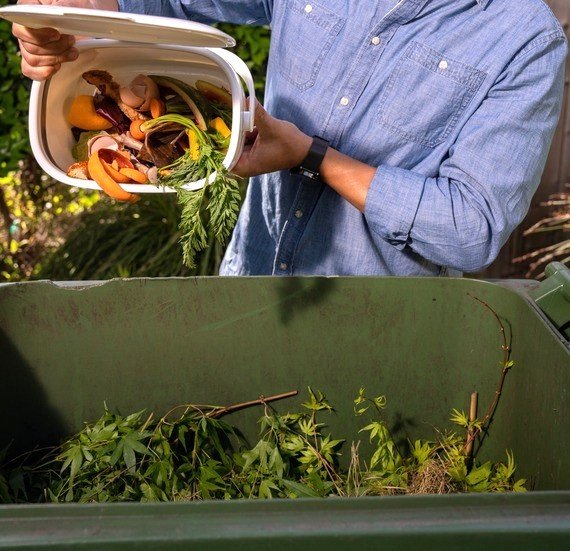
Across the state, communities and businesses are keeping organic waste out of landfills, cutting methane pollution, and putting valuable resources back to work. Local reporting shows 97% of required communities and 75% of required businesses are now recycling food, yard, and other organic materials into new products like compost that helps:
Nourish crops;
Improve soil health;
Retain water;
Store carbon;
Reduce the need for chemical fertilizers and pesticides.
When organic waste is sent to landfills, it creates methane, a climate super-pollutant 84 times more potent than carbon dioxide. Composting and food recovery are among the fastest, easiest ways to cut those emissions while strengthening California’s soils and food systems.
“California is turning a major source of climate pollution into a powerful climate solution,” said CalRecycle Director Zoe Heller. “Every green bin, every rescued meal, and every composting program helps cut pollution, support communities, and build a more sustainable future.”
California’s Organics Recycling and Food Recovery law (SB 1383, 2016) sets statewide targets to cut organic waste disposal by 75% and increase edible food recovery by 20%, helping redirect unsold food to the one in five Californians facing food insecurity.
Since implementation began in 2022, 1.08 billion unsold meals have been rescued and redirected to Californians in need. Officials also noted that meeting California’s recycling and food recovery goals will reduce greenhouse gas emissions equal to removing 3 million cars from the road each year.