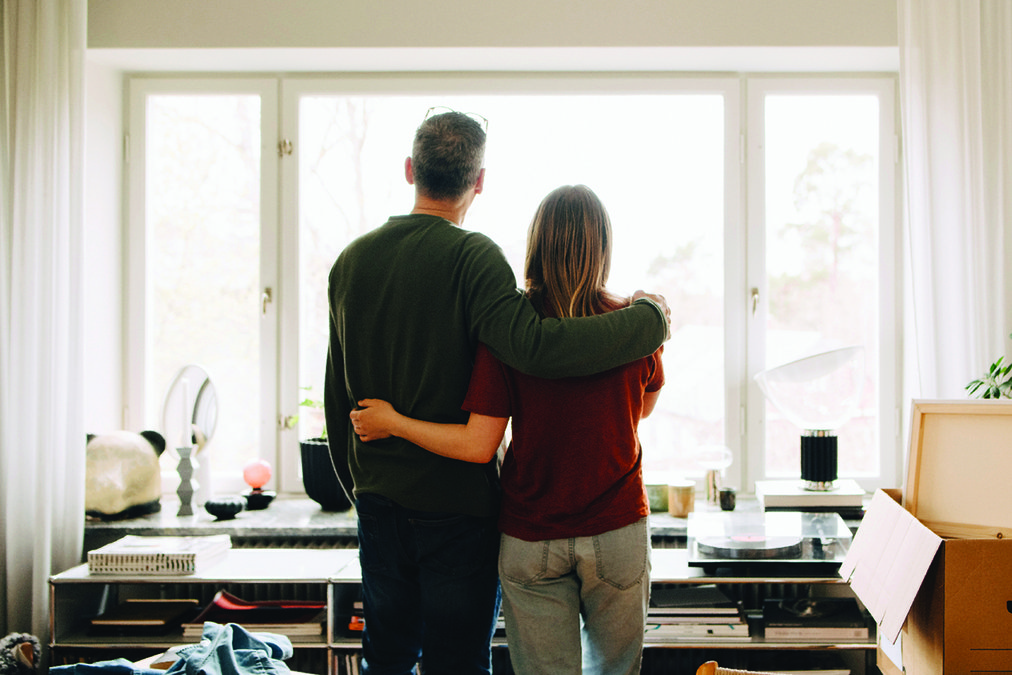
Homeowners do not need to get hung up on room labels as they explore ways to reinvent their spaces. Just because a floor plan labels a space as a formal dining room doesn’t mean the area has to remain that way.
Repurposing rooms in a home comes down to aligning the space a person has with their lifestyle needs. Here are a few ways to rethink interior spaces and make a switch to improve utility.
Identify unused or under-used rooms. Take note of spaces that are cleaned but rarely used. For many people, this is a dining room or a guest suite. Either of these rooms can be transformed into something new.
Invest in multipurpose furniture. Even people short on space can transform their homes. Replacing a traditional bed with a murphy bed or a daybed can make a room more suitable for a home office or yoga studio, but still provide a space for the occasional houseguest to sleep. A pull-down shelf desk in a bedroom or even a walk-in closet can turn an area into a compact home workstation.
Claim dead space. The area under the stairs or another small spot often is used to collect junk. Instead, it can be turned into a built-in wine rack, a reading nook for kids or even a pet sanctuary with just a few modifications. Analyze areas around the home that seem like they don’t serve a purpose, and then figure out a way to make them more functional.
Establish room zones. Some people simply cannot transform an entire room into something else. Visual partitioning makes it possible to create rooms within rooms. An area rug can be used to define a border of a space. Open bookshelves can serve as a wall to separate a sleeping area from a lounging spot. Lighting can add dimension to areas in a space. A pendant light over a crafting or work table can be used to define the space.
Look at utility areas. Unless you are a do-it-yourselfer or have a hobby that takes up much of the garage or basement, utility areas are major spots in a home to consider repurposing. A garage can be turned into a home gym, kids’ play area or even a hobby shop. Modular flooring and insulated walls can make the room comfortable. Attic lofts are the ultimate quiet zones, and can be serene spots for reading, meditating or doing homework. An unfinished basement can be converted into a finished space to serve many different purposes. From media rooms to a teen lounge to a hobby cave, the opportunities are endless.