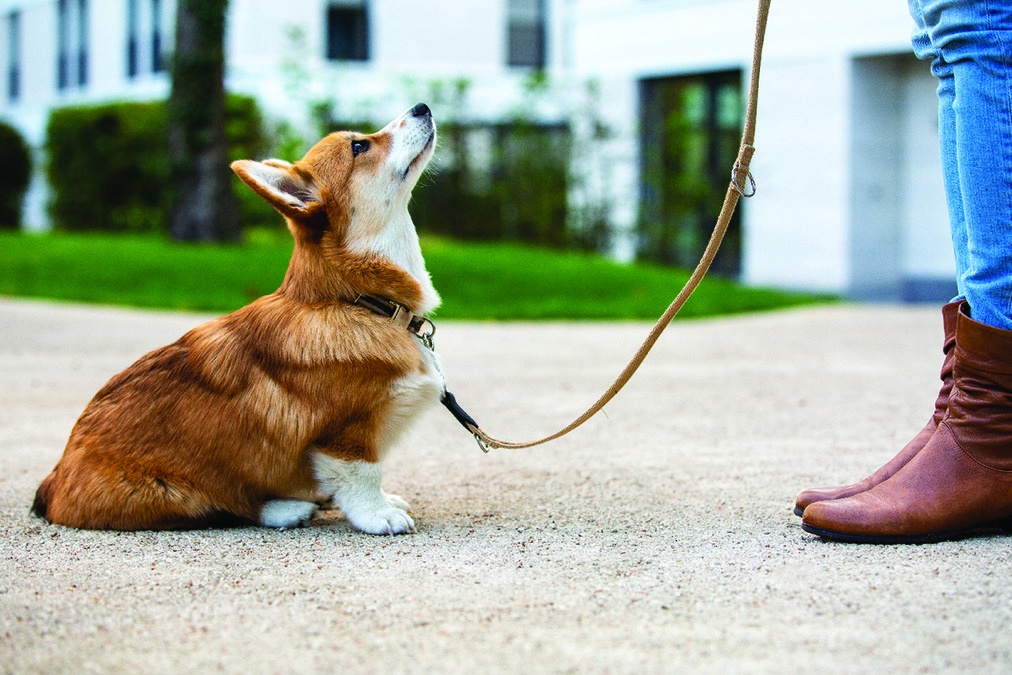
Dogs are not just pets, they often become cherished family members who share in all of the joys and accomplishments of a household. Training a dog that’s new to a home can be deeply rewarding, but various pitfalls can slow the progress of training and potentially contribute to confusion or even lead to behavioral problems. Pet parents can get a leg up on what can go wrong and why, and adjust to help make the training process go more smoothly.
Problem #1: Inconsistency
Everyone in the family may want to take part in training the new pet and this can create confusion if everyone isn’t on the same page. People who use different commands or allow different behaviors may confuse the dog. To fix the issue, it’s important that everyone use the same commands and consistently reinforce the same rules. It’s not alright for the dog to jump up on the furniture when the rule is no furniture lounging, for example.
Problem #2: Poor reward timing
Rewarding dogs for good behavior is one of the hallmarks of positive reinforcement training. However, rewarding or correcting the pet even a few seconds too late can mean the animal may not connect the feedback to the action. It’s important to deliver rewards or corrections within one to two seconds of the desired behavior for the best results. Leerburg Training suggests using marker training, also known as clicker training, which affords trainers a way to immediately communicate with the dog the instant they do something favorable. Withholding the click/mark, tells the dog that you don’t like what they are doing without any punishment.
Problem #3: Overusing punishment
Positive reinforcement is the best method of training a dog, and the one that most professional trainers rely on. Still, it can be challenging to avoid yelling or using aversive tools to try to stop a behavior if other methods are slow to work. However, hitting an animal, yelling excessively or using shock collars can create fear or aggression. In some instances, such tactics may border on animal abuse.
Advanced Canine Techniques says that dogs can sense a human’s energy level and confidence and any negative energy, which can be discouraging and adversely affect motivation. Taking a break while training until it can be more fun and positive may stem stress and negative behaviors for both dog and person.
Problem #4: Unclear commands
It’s important that everyone utilize the same commands when training a dog. Saying “come here” one day and “get over here” another can be confusing and result in slower learning. Dogs may respond better to visual cues along with verbal ones, so people can utilize hand gestures when setting commands as well.
Problem #5: Inconsistent results
Many people have dogs that behave wonderfully while in the house, but poorly at a dog park or elsewhere. A dog may not realize that commands and behavior expectations apply everywhere. That’s why it is necessary to practice in different environments and only periodically introduce distractions.
It’s also important to know that a dog that is bored may exhibit restlessness or destructive behavior and won’t be able to focus during training. Meeting the dog’s physical needs first can help when training comes afterwards. After all is said and done, if training is not going as expected, consult a professional trainer for assistance.